
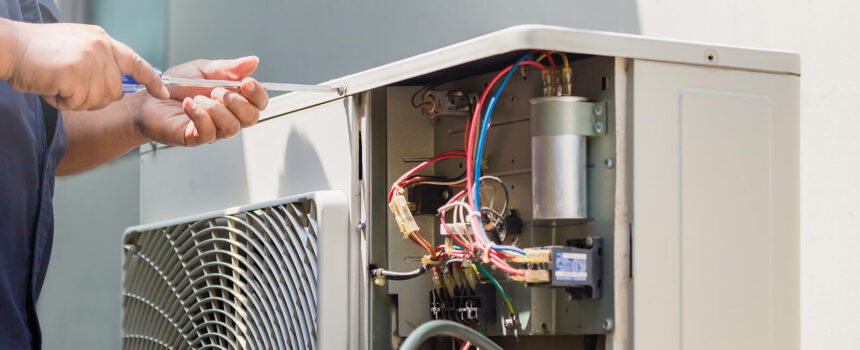
Furnace problems can become expensive when small issues are ignored until they develop into major component failures. For homeowners in Orange County, taking a proactive approach to furnace care can help reduce unnecessary service calls, improve system efficiency, and extend the useful life of heating equipment. Routine maintenance, timely troubleshooting, and informed repair decisions can all contribute to better cost control.
Here are five practical ways homeowners can help keep furnace repair expenses under control.
1. Replace the Furnace Filter Regularly
One of the simplest ways to protect a furnace is to keep its air filter clean. A clogged filter restricts airflow, forcing the furnace to work harder and potentially causing overheating, short cycling, and increased wear on components. Manufacturers commonly recommend checking filters regularly and replacing them according to the equipment and filter specifications, often every one to three months.
A replacement filter is generally much less expensive than repairing a damaged blower motor or other furnace component. Homeowners should also make sure the replacement filter is the correct size and type for their system.
2. Schedule Preventive Furnace Maintenance
Waiting until a furnace stops working can result in emergency service and potentially more expensive repairs. An annual professional inspection gives a technician an opportunity to examine important components, identify developing problems, and check whether the system is operating safely.
A professional furnace maintenance visit may include checking the heat exchanger, burners, ignition system, blower assembly, electrical connections, safety controls, venting, and airflow.
Regular maintenance does not guarantee that a furnace will never break down, but identifying worn or malfunctioning components earlier can help homeowners address problems before they become more extensive.
3. Pay Attention to Small Warning Signs
Unusual furnace behavior should not automatically be treated as something that can wait indefinitely. Strange noises, unusual odors, weak airflow, frequent cycling, inconsistent temperatures, or rising energy consumption can indicate that the system needs attention.
Addressing these symptoms early may help prevent a relatively straightforward problem from contributing to additional component damage. For example, restricted airflow can place additional stress on the furnace and contribute to overheating.
If a homeowner notices a gas odor, however, the situation should be treated as a safety issue rather than a routine repair. Leave the area and contact the appropriate gas utility or emergency service.
4. Handle Simple Checks Yourself and Leave Complex Repairs to Professionals
Homeowners can perform several basic checks before scheduling a service appointment. Checking the thermostat settings, replacing a dirty filter, confirming that the furnace has power, and ensuring vents are not blocked are examples of relatively simple tasks.
These checks can sometimes identify an uncomplicated cause of a heating problem and prevent an unnecessary service visit.
However, homeowners should not attempt repairs involving gas lines, combustion components, high-voltage electrical equipment, or heat exchangers. Such work requires appropriate training and equipment and can create serious safety risks if performed incorrectly.
5. Compare Repair Costs With the Furnace’s Age and Condition
Repairing an older furnace is not always the same financial decision as repairing a newer system. Before approving a major repair, homeowners should consider the furnace’s age, repair history, current condition, component involved, and expected remaining service life.
For example, a relatively inexpensive repair on a well-maintained newer furnace may be straightforward. A major component failure on an older furnace that has already required repeated repairs may call for a broader comparison between continued repairs and replacement.
Obtaining a clear explanation of the problem and asking for an itemized estimate can also help homeowners understand exactly what they are paying for.
Why Preventive Care Can Save Money
Furnace repair costs vary considerably depending on the failed component, equipment type, labor, and location. Current 2026 cost data shows that simple repairs can be relatively modest while components such as blower motors, control boards, and heat exchangers can result in substantially higher expenses.
This makes prevention particularly useful. Spending a small amount of time checking filters and vents, combined with regular professional maintenance, can help homeowners identify problems earlier and avoid some avoidable breakdowns.
Choosing Professional Help When Repair Is Necessary
When professional service is required, homeowners should look for a qualified HVAC technician who can properly diagnose the problem rather than simply replacing parts based on symptoms. A proper diagnosis can help prevent unnecessary component replacement and provide a clearer understanding of the repair’s long-term value.
For homeowners researching furnace repair Orange County, it is useful to ask about diagnostic procedures, labor charges, replacement-part warranties, and whether the technician will provide a detailed estimate before major work begins.
Final Thoughts
Keeping furnace repair costs under control starts well before a breakdown occurs. Regular filter replacement, annual maintenance, early attention to warning signs, sensible troubleshooting, and careful evaluation of major repairs can all help homeowners manage heating expenses.
The goal is not to avoid every repair—furnaces eventually require service—but to catch manageable problems early, maintain the system properly, and make informed decisions when significant repairs are needed.

