Sleep disorders are no longer viewed as a minor inconvenience. In 2026, insomnia has become one of the most discussed health concerns worldwide, affecting productivity, emotional well-being, heart health, and cognitive performance. For decades, people relied heavily on sedative medications to get through sleepless nights. However, growing awareness about dependency risks and daytime fatigue has shifted attention toward safer and smarter alternatives.
Today, the conversation around sleep treatment is evolving rapidly. Patients who once searched for options like Zopiclone order UK are increasingly exploring therapies that focus on restoring natural sleep patterns instead of simply forcing sedation. The rise of non-addictive sleep treatments marks a major turning point in modern sleep medicine.
Why Traditional Sleeping Pills Are Losing Popularity
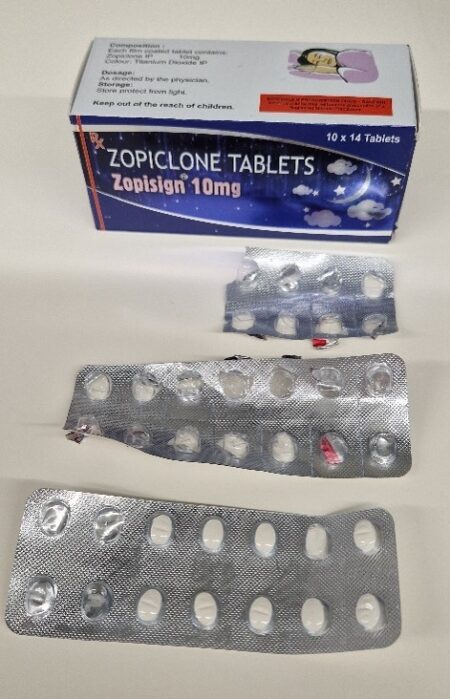
Traditional hypnotic medications, including benzodiazepines and Z-drugs such as zopiclone, were designed to induce sleep quickly. While effective for short-term relief, long-term use has often been linked to tolerance, dependence, memory issues, and morning grogginess.
Many healthcare professionals now emphasize that sleep disorders are rarely solved by sedation alone. Insomnia is frequently connected to stress, anxiety, overstimulation, poor sleep habits, irregular circadian rhythms, and underlying mental health conditions. As a result, treatment strategies in 2026 are becoming more holistic and patient-centered.
People seeking solutions beyond medications are demanding therapies that improve sleep quality without causing addiction or impairing daytime functioning.
The Emergence of Orexin-Based Sleep Treatments
One of the most important developments in sleep medicine is the rise of orexin receptor antagonists. Unlike older sleeping pills that suppress the central nervous system, these treatments target the brain’s wakefulness system more precisely.
Orexin is a neurotransmitter responsible for keeping the brain alert and awake. Newer medications work by blocking orexin activity, helping the brain transition naturally into sleep. This approach reduces the “forced sedation” feeling many patients experience with older drugs.
Recent research has shown increasing interest in dual orexin receptor antagonists (DORAs), which are being recognized for their effectiveness and improved safety profiles.
These medications are gaining attention because they may offer:
- Lower risk of dependency
- Reduced next-day drowsiness
- Better sleep maintenance
- Improved daytime alertness
- More natural sleep architecture
The shift toward orexin-targeting therapies demonstrates how sleep science is moving from sedation toward neurological regulation.
Digital CBT-I Is Becoming a Mainstream Solution
Cognitive Behavioral Therapy for Insomnia (CBT-I) is now considered one of the most effective long-term treatments for chronic insomnia. Instead of relying on medication, CBT-I helps patients retrain thoughts and behaviors that interfere with sleep.
In 2026, digital CBT-I platforms are expanding access dramatically. Smartphone applications, AI-guided sleep coaching, wearable integration, and virtual therapy programs are allowing people to receive structured insomnia treatment from home.
Modern CBT-I programs typically focus on:
- Sleep scheduling
- Stimulus control
- Relaxation techniques
- Anxiety management
- Circadian rhythm stabilization
- Reducing nighttime hyperarousal
New meta-analysis research on digital CBT-I suggests that structured treatment duration significantly improves insomnia symptoms and long-term sleep quality.
Unlike traditional sleeping pills, CBT-I addresses the root causes of insomnia rather than masking symptoms temporarily.
Personalized Sleep Medicine Is Changing Everything
Another major trend in 2026 is personalized sleep care. Sleep specialists increasingly recognize that insomnia is not the same for every patient.
Some individuals struggle with falling asleep, while others wake repeatedly during the night. Stress, hormones, work schedules, genetics, and mental health all influence sleep patterns differently.
As a result, treatment plans are becoming more customized. Instead of giving every patient the same sedative medication, clinicians now combine therapies such as:
- Behavioral sleep therapy
- Light exposure therapy
- Circadian rhythm management
- Nutritional support
- Mindfulness training
- Wearable sleep tracking
- Targeted non-addictive medications
This tailored approach helps improve long-term outcomes while minimizing medication dependence.
Wearable Technology and Sleep Tracking
Technology is playing a massive role in sleep treatment innovation. Smartwatches, sleep rings, and advanced health trackers are giving users detailed insights into sleep cycles, oxygen levels, heart rate variability, and nighttime disturbances.
These devices help both patients and clinicians identify patterns that contribute to poor sleep. Many digital sleep programs now integrate directly with wearable technology, creating real-time feedback systems for sleep improvement.
Instead of guessing why sleep problems occur, patients can now monitor:
- Sleep consistency
- Sleep efficiency
- Night awakenings
- Stress responses
- Recovery patterns
This data-driven approach is helping millions make lifestyle changes before resorting to heavy sedatives.
The Growing Demand for Natural Sleep Optimization
Public attitudes toward wellness are also influencing the rise of non-addictive sleep treatments. Many consumers now prefer approaches that support the body’s natural sleep mechanisms instead of overpowering them chemically.
As interest grows, sleep clinics are increasingly incorporating:
- Meditation practices
- Breathwork
- Magnesium support
- Melatonin regulation
- Sound therapy
- Blue-light reduction strategies
- Nervous system calming techniques
While these methods may not replace medical treatment for severe insomnia, they are becoming valuable parts of broader sleep recovery programs.
The UK Sleep Treatment Landscape in 2026
The United Kingdom has seen growing public interest in modern insomnia therapies, particularly as awareness increases regarding dependency risks associated with long-term sedative use.
Searches related to Zopiclone order UK still remain common, especially among individuals seeking immediate relief from severe sleep disruption. However, healthcare discussions are increasingly focused on balancing short-term symptom management with long-term sleep restoration.
Newer therapies are encouraging clinicians and patients alike to reconsider how insomnia should be treated. Rather than relying solely on traditional sedatives, many professionals now recommend combining behavioral therapy, lifestyle adjustments, and newer-generation medications when appropriate.
Mental Health and Sleep Are More Connected Than Ever
Modern sleep science now strongly emphasizes the connection between emotional health and sleep quality. Anxiety, burnout, chronic stress, and digital overstimulation are major contributors to insomnia in 2026.
Non-addictive sleep treatments often work best because they target this deeper relationship between mental health and rest. Therapy-based approaches help reduce the cycle of “sleep anxiety,” where fear of not sleeping actually worsens insomnia.
This psychological component explains why many patients experience more sustainable results from behavioral sleep therapies than from medication alone.
The Future of Sleep Treatment
The future of insomnia care is moving toward precision, prevention, and personalization. Instead of sedating the brain indiscriminately, new therapies aim to restore healthy sleep biology naturally and safely.
Researchers continue exploring:
- Advanced orexin therapies
- AI-powered sleep coaching
- Neurofeedback
- Brain stimulation therapies
- Chronotherapy
- Biomarker-driven sleep medicine
As these innovations expand, patients may finally gain access to long-term insomnia solutions that improve sleep without sacrificing alertness, cognitive performance, or independence.
Conclusion
The sleep treatment landscape in 2026 looks dramatically different from previous decades. Non-addictive therapies are transforming how insomnia is understood and managed, offering hope to millions who previously depended on sedatives for relief.
While traditional medications still have a role in short-term treatment, the future clearly favors smarter and safer approaches. From digital CBT-I to orexin-based therapies and personalized sleep programs, modern medicine is moving toward sustainable solutions that work with the body rather than against it.
As awareness continues to grow, people searching for answers beyond traditional options like Zopiclone order UK are discovering a new generation of sleep treatments focused on long-term health, natural recovery, and better quality of life.